Table of contents
When it comes to transforming unruly landscapes or maintaining large properties, selecting the right equipment can make all the difference. Mulchers and chippers are two powerful tools commonly used in land management, each offering distinct benefits and applications. Dive into the following segments to uncover which solution best fits your needs and how to maximize efficiency in every land-clearing project.
Understanding mulchers and chippers
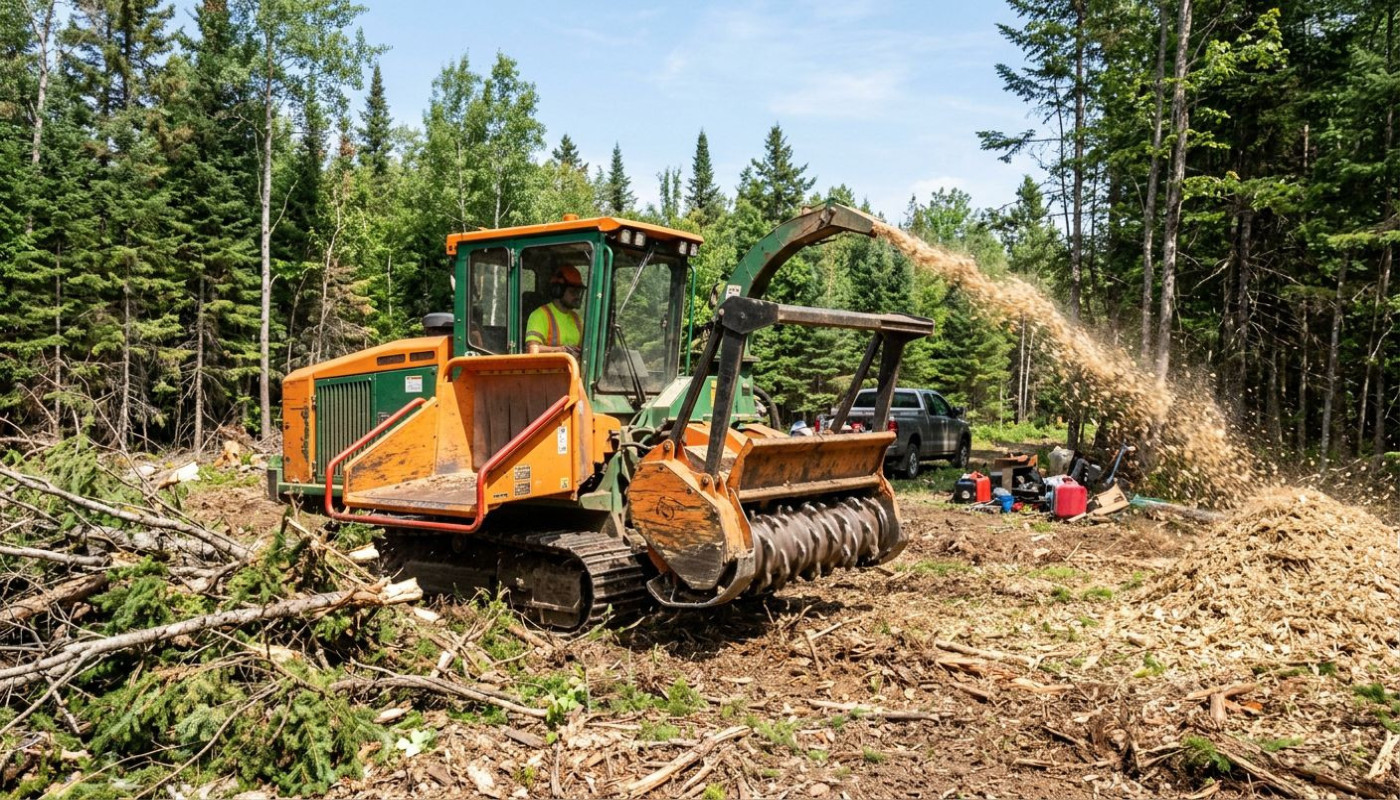
Mulchers and chippers stand out as two primary types of land clearing equipment, each serving a distinct role in brush management. Mulchers utilize a high-speed rotor system equipped with numerous teeth or hammers to shred vegetation, branches, and small trees into fine mulch. This fine output is ideal for ground cover, erosion control, or reducing organic waste on-site. In contrast, chippers employ a different rotor system, relying on sharp blades set on a drum or disc to cut branches and wood into uniform chips, which are preferable for biomass energy production or transport. The mulcher vs chipper debate largely centers on their mechanical differences and end results: mulchers leave a dense layer of mulch for soil enrichment, while chippers produce wood chips that can be repurposed off-site.
Knowing these distinctions in wood processing machines is vital for efficient land management because it ensures the right tool is chosen for the specific task at hand. Mulchers excel when managing overgrown brush or when soil improvement is a goal, as their rotor system can handle mixed vegetation and uneven terrain. Chippers, on the other hand, are better suited for processing larger, clean wood materials where chip uniformity and size are priorities. Selecting the appropriate machine not only optimizes operational efficiency but also has a direct impact on environmental outcomes and long-term land restoration goals. Understanding how each machine interacts with different types of organic material is fundamental to successful brush management and sustainable land use practices.
Key benefits of using mulchers
Mulchers stand out for their efficiency in transforming thick brush, saplings, and undergrowth into fine, nutrient-rich mulch within a short period. This rapid reduction of organic material directly supports vegetation control, clearing overgrown areas while minimizing manual labor. One of the most significant mulching benefits lies in the process of biomass recycling, where plant material is returned to the ecosystem as mulch, enriching the soil with organic matter and fostering robust soil health. The resulting mulch acts as a protective layer, retaining moisture, suppressing weeds, and reducing surface runoff, which helps with long-term erosion control.
Such environmental land practices not only enhance landscape aesthetics but also promote sustainable land use by improving the soil's structure and fertility. The choice of a mulcher becomes especially practical when the management goal focuses on soil health, rapid area clearance, and ongoing vegetation control rather than merely reducing debris size for disposal or transport. For those prioritizing ecosystem restoration or seeking methods aligned with responsible environmental stewardship, mulchers deliver a compelling solution that integrates efficiency and ecological value.
Advantages of wood chippers
Wood chippers offer distinct chipper advantages for property owners and land managers tackling substantial tree limb processing or clearing operations. Their robust feed mechanism allows efficient intake of larger branches and entire tree limbs, minimizing the need for prior cutting or handling. This mechanism draws in woody material, reducing manual labor and ensuring consistent throughput. The resulting wood chips have uniform size and shape, making them highly suitable for various wood chip uses, including mulching garden beds, creating walkable paths, or contributing to sustainable biomass fuel production. When faced with extensive storm debris, land development projects, or ongoing maintenance of wooded areas, opting for a wood chipper streamlines the process by converting unwieldy brush and limbs into valuable resources in a short amount of time. For those prioritizing productivity and looking to maximize reuse of cleared material, especially in landscaping or as biomass fuel, a chipper’s efficiency and versatility make it a superior choice over other wood processing tools.
Choosing the right tool for your land
Efficient land management relies on matching the correct property maintenance tools to the unique demands of your landscape. When considering mulcher vs chipper selection, site assessment becomes a foundation for success. Begin by analyzing property size: expansive acreage with dense underbrush and mixed woody vegetation typically benefits from mulchers, which can handle a broad spectrum of material and create a layer of nutrient-rich mulch across large areas. In contrast, chippers excel on smaller properties or projects focused on transforming substantial branches and trunks into reusable wood chips, making them a favorable choice for targeted land clearing or composting purposes.
Vegetation density and the intended result are pivotal in determining which equipment best serves efficient land management. If the goal is rapid clearing of brush, saplings, and invasive species while leaving a natural mulch that aids soil health, mulchers offer superior performance. For landowners seeking to process felled trees into chips for landscaping or biomass, chippers provide more control over chip size and output. Conducting a thorough site assessment—looking at terrain, access points, debris size, and the volume of material—ensures the optimal selection of land clearing choices for both immediate and long-term objectives.
Choosing between these property maintenance tools often hinges on a combination of technical requirements and project goals. For those new to land clearing or seeking to compare equipment capabilities, visit this link for comprehensive details and product comparisons. This resource streamlines the decision-making process and supports landowners in achieving efficient, sustainable outcomes tailored to their specific site conditions.
Safety considerations and maintenance tips
Effective equipment safety tips begin with a thorough understanding of both mulcher safety and chipper safety protocols. Operators must always use personal protective equipment such as gloves, goggles, and hearing protection to guard against flying debris and loud noise. Machine inspections prior to each use are vital; check for worn blades, loose bolts, and any fluid leaks to catch issues before they become hazards. Being aware of the machine’s capacity and limitations can prevent overloading, which leads to mechanical stress and safety risks. Familiarize yourself with all operating controls and emergency shut-off procedures, since quick responses can prevent accidents.
Incorporating preventive maintenance into your routine significantly extends the lifespan of mulchers and chippers while ensuring optimal performance. Schedule regular lubrication of moving parts, timely replacement of blades, and ensure that all safety shields are intact. Always disconnect power before performing any repairs or maintenance to reduce the risk of accidental startup. Proper training and adherence to manufacturer guidelines are key factors in safe and efficient operation. By prioritizing these equipment safety tips and consistent preventive maintenance, users can maximize productivity and minimize the risk of injury, creating a safer work environment for everyone involved.
Similar

The Environmental Benefits Of Solar-Powered Garden Lamps
